Chelsea 3-0 Barcelona: Blues Dominate as Barcelona's Champions League Hopes Crumble
 Nov, 26 2025
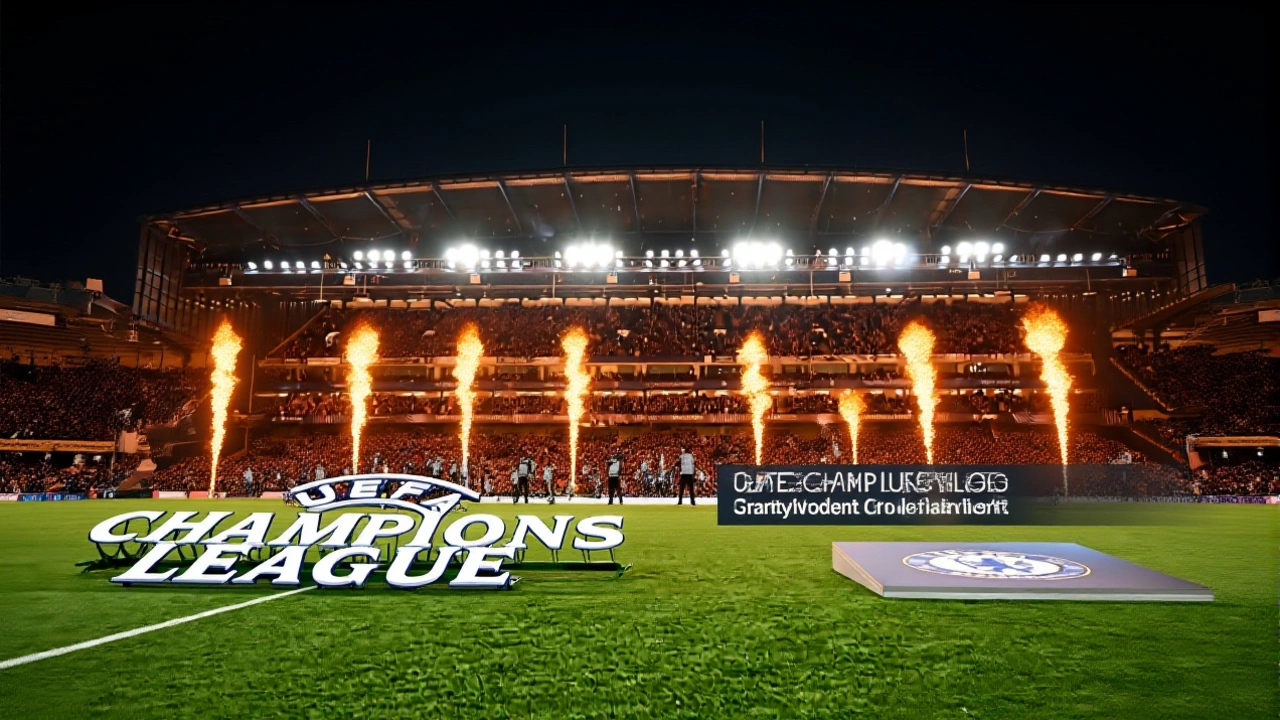
On a crisp November night in west London, Chelsea FC didn’t just beat FC Barcelona—they sent a message echoing through European football. The UEFA Champions League 2025/26 League Phase match at Stamford Bridge on Tuesday, November 25, 2025, ended 3-0, a result that reshaped the tournament’s power dynamics. Three goals, three disallowed by VAR, one red card, and a performance so commanding it felt like a revival. This wasn’t just a win. It was a statement.
The Night Chelsea Remembered How to Dominate
It began with chaos. In the third minute, Jules Kounde, Barcelona’s usually composed defender, slipped under pressure from Liam Delap and steered a cross into his own net. No celebration from Chelsea—just a collective exhale. The visitors, led by Hansi Flick and riding high as La Liga champions, looked shell-shocked. By halftime, they’d had just 38% possession and zero shots on target. The script had flipped: the underdogs were the ones in control. Then came Estêvão. Ten minutes into the second half, the Brazilian winger collected the ball near the left flank, danced past two defenders with a stepover that left Ronald Araújo stumbling, and fired low past Marc-André ter Stegen. ESPN’s analysts called it “a moment that will be talked about in west London for years.” It wasn’t just skill—it was nerve. And it was the moment Barcelona’s resistance cracked. The third goal, a chaotic deflection, was pure Chelsea. Marc Cucurella surged down the left, cut back, and found Pedro Neto at the far post. His flick bounced off Ferran Torres and struck Kounde again—this time, the ball nestled in the net. It was messy. It was brilliant. And it was the final nail.The Red Card That Broke Barcelona
The turning point wasn’t just the goals—it was the red card. In the 52nd minute, Ronald Araújo lunged recklessly at Moisés Caicedo after a foul near the touchline. No hesitation from referee Daniele Orsato. Straight red. Barcelona, already out of rhythm, were now down to ten. The crowd roared. The visitors slumped. Hansi Flick stood frozen on the sideline, arms crossed, face unreadable. It wasn’t just the numerical disadvantage. It was the timing. Barcelona had just survived a 3-3 thriller against Club Brugge days earlier—a match where they conceded seven goals’ worth of chances. Their defense was porous. Their midfield, missing the injured Pedri, had no rhythm. Chelsea, meanwhile, had been immaculate at home: five wins in six Premier League games, three of them shutouts.The Midfield Machine That Controlled the Game
Behind the goals, the real story was in the middle. Moisés Caicedo and Enzo Fernández didn’t just win the ball—they dictated tempo. ESPN noted they “emerged in possession and on the offensive charge,” a phrase that barely captured their dominance. Caicedo made 12 recoveries. Fernández completed 92% of his passes. Together, they turned Barcelona’s midfield into a ghost town. Even the VAR decisions worked in Chelsea’s favor—not because of bias, but because of precision. Three goals were disallowed: a Fernández strike for handball, a Neto offside, and a Delap effort called back for a marginal foul. But those weren’t lucky breaks. They were signs of a team playing with control, with discipline, with intelligence. When you’re that good, even your mistakes are clean.
“The Old Chelsea Is Back”
Post-match, Enzo Maresca didn’t gloat. He looked relieved. “I’ve seen a lot of games in 18 months,” he said, “but never one where every player knew their role, every pass had purpose, and every challenge had conviction.” For fans who remember the days of Lampard, Terry, and Drogba, this felt familiar. The European heavyweights. The nights when Stamford Bridge shook. The nights when Chelsea didn’t just compete—they conquered. Barcelona, meanwhile, now face a brutal reality. With just one win in their last four Champions League matches and a goal difference that’s tumbling, their path to the last 16 is narrowing. A draw against Inter Milan in their next fixture might not be enough. They’re not just behind—they’re slipping.What’s Next for Both Teams?
Chelsea now sit second in their group, just one point behind leaders Bayern Munich. With two matches left—including a home game against Benfica—they’re on the brink of automatic qualification. Maresca’s squad is peaking at the right time. The defense, once a liability, has kept three clean sheets in their last four games. Barcelona? They need to win both remaining fixtures, hope for a Benfica collapse, and pray for a favorable goal difference. Flick’s job security is now under scrutiny. The pressure in Catalonia will mount. And for a club that once ruled Europe, this is a quiet crisis.
Why This Match Matters Beyond the Scoreline
This wasn’t just about two teams. It was about the new Champions League format—16 groups of three, no more group stage fatigue, no more guaranteed second legs. It’s faster. More brutal. And Chelsea, under Maresca, have mastered it. Barcelona, still clinging to old habits, haven’t adapted. The 2009 semifinal, where Iniesta broke Chelsea’s heart? That’s ancient history. This was a new era. And on November 25, 2025, Chelsea reminded the world they’re still capable of writing the next chapter.Frequently Asked Questions
How did Chelsea’s midfield duo of Caicedo and Fernández dominate Barcelona?
Moisés Caicedo made 12 ball recoveries and completed 89% of his passes, while Enzo Fernández had a 92% pass accuracy and created three key chances. Their synergy allowed Chelsea to control possession (62%) and limit Barcelona’s midfielders to just 38 passes in the final third—half their season average. This disrupted Barcelona’s rhythm and enabled quick transitions that led to Estêvão’s goal and the eventual third.
Why was Barcelona’s 3-3 draw against Club Brugge so damaging to their Champions League hopes?
That result left Barcelona with only 4 points from their first four matches in the new league phase format. With a goal difference of +1, they now trail Chelsea (+7) by eight points in the group standings. Even if they win their final two games, they’d need Benfica to lose both—and hope for a massive swing in goal difference, which is statistically unlikely given their defensive fragility.
What impact did the red card to Ronald Araújo have on the match outcome?
With Araújo sent off in the 52nd minute, Barcelona’s defensive structure collapsed. Their xG (expected goals) dropped from 0.9 to 0.2 in the final 38 minutes. Chelsea’s attack, which had been contained early, unleashed 11 shots in the final half-hour—four on target. Araújo’s absence also forced Barcelona to shift to a 4-4-1, leaving no cover for the wide areas, which Cucurella and Neto exploited relentlessly.
How does this result affect Chelsea’s chances of reaching the knockout stage?
Chelsea now have 9 points from five matches, sitting second in Group D behind Bayern Munich (10 points). With wins in their final two games—against Benfica at home and away to Inter Milan—they’ll secure automatic qualification. Even a draw against Benfica, combined with a Bayern loss, could be enough. Their goal difference (+7) gives them breathing room, unlike Barcelona’s precarious +1.
Is this win a sign that Chelsea are returning to their European elite status?
Yes. This was their first Champions League win by a 3-goal margin since 2012, when they won the trophy. Their defensive record (3 clean sheets in 4 games) and midfield control mirror the 2011-12 squad under Ancelotti. Maresca has instilled tactical discipline and attacking intent rarely seen since the Abramovich era. Fans are already calling it “the rebirth.”
What does this mean for Hansi Flick’s future at Barcelona?
Flick’s job is now in serious jeopardy. After failing to win any of their last three Champions League matches and losing to Chelsea by three goals at Stamford Bridge, pressure is mounting from both fans and board members. His rotation policy has been criticized, and his inability to adapt to the new format—especially against compact, high-pressing teams—has been exposed. A loss to Inter Milan in their next fixture could trigger a managerial change before the winter transfer window.